
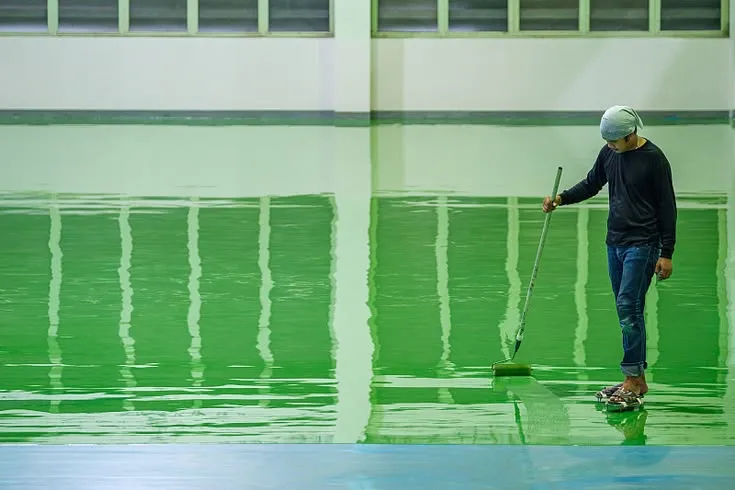
An industrial floor supports much more than machinery. Forklifts turn through loading bays, employees cross production lines, and maintenance crews handle oils and cleaning chemicals. Damage to concrete can slow operations, complicate housekeeping, and create hazards that require attention. Properly specified industrial epoxy flooring can protect suitable concrete, but performance depends on matching the system to actual working conditions. Managers should start by understanding loads, chemical exposure, existing damage, and the time available for installation rather than selecting a finish from photographs.
Map the Areas Under Greatest Pressure
Industrial floors rarely wear evenly. Forklift turning points, loading docks, and equipment transfer routes may experience concentrated abrasion, while quieter storage sections receive relatively little traffic. A floor plan marked with these areas helps contractors understand where particular performance characteristics matter.
Supervisors should also record damaged joints, repeated spills, and machinery that remains in one position. Not every defect is superficial: significant cracking or movement may require structural evaluation. A coating protects an appropriate substrate; it cannot make an unstable slab sound.
Match Materials to Chemical Conditions
Workshops and production facilities may use lubricants, solvents, fuels, and strong cleaning agents. The effect on a resin surface depends on the substance, concentration, temperature, and duration of contact. A system suitable for occasional oil spills may not withstand continuous chemical exposure.
Ask the contractor to review the facility’s chemical inventory against product resistance information. Where exposure is demanding, another compatible resin system may be preferable. The choice should come from documented requirements instead of generic claims that a coating is resistant to everything.
Balance Traction With Cleaning Needs
Wet areas and locations exposed to lubricants may need additional surface texture. Suitable aggregates can improve traction when selected and installed for the specific conditions. However, textured finishes can also collect residues and require more detailed cleaning.
The right specification considers footwear, equipment wheels, cleaning equipment, and spill procedures together. Surface treatments cannot replace prompt spill removal or workplace safety controls. Managers should discuss relevant slip resistance requirements before accepting a proposed finish.
Compare Complete Flooring Systems
Businesses researching commercial epoxy flooring may find systems that overlap with industrial applications. Nevertheless, a retail showroom and a manufacturing workshop have different demands. Base coat chemistry, thickness, decorative broadcast, and protective topcoat should reflect the intended environment.
Rise Coatings describes epoxy and polyurethane options for demanding premises. Managers should request a specification explaining the materials proposed for each area, their limitations, and why they suit the expected traffic. Comparing complete systems is more informative than comparing coating prices alone.
Prepare a Useful Site Checklist
Before seeking quotations, record concrete conditions and operational constraints. The contractor will need more than the building’s total square footage to produce a realistic installation plan. Staff familiar with daily work should contribute their observations.
Check the following:
-
Forklift wheel types, loads, and turning locations.
-
Chemicals and cleaning products used on site.
-
Cracks, joints, moisture, and previous coatings.
-
Required surface traction and floor markings.
-
Safe access routes during installation.
-
Available shutdown and curing periods.
A written checklist helps distinguish necessary repairs from optional design features and provides a shared reference when reviewing proposals.
Schedule Work Around Production
Grinding, repairs, coating application, and curing may interrupt normal operations. Some buildings can be divided into temporary work zones, while others require a planned shutdown because access routes or ventilation cannot be safely maintained.
Supervisors should communicate restricted areas across shifts and coordinate stock relocation before contractors arrive. Heavy equipment must not return merely because a surface looks dry. The installer should confirm when the selected system can tolerate its intended loads.
Inspect Performance After Handover
A finished floor still needs maintenance. Remove abrasive debris, clean spills using compatible products, and inspect joints and turning points for developing damage. Patterns of recurring wear can reveal operating conditions that need attention.
Keep the coating specification and cleaning instructions with maintenance records. Staff should document defects promptly so localized repairs can be assessed before larger areas deteriorate. Regular inspections support the coating’s service life but do not eliminate the need for workplace safety procedures.
Conclusion
Industrial flooring decisions affect equipment movement, maintenance, and the condition of valuable concrete infrastructure. Choosing appropriate systems requires an honest assessment of traffic, chemical exposure, substrate condition, and operational downtime. Businesses across Los Angeles and surrounding Southern California communities can explore industrial and commercial coating services through risecoatings.com when planning protective upgrades suited to demanding facilities.
