
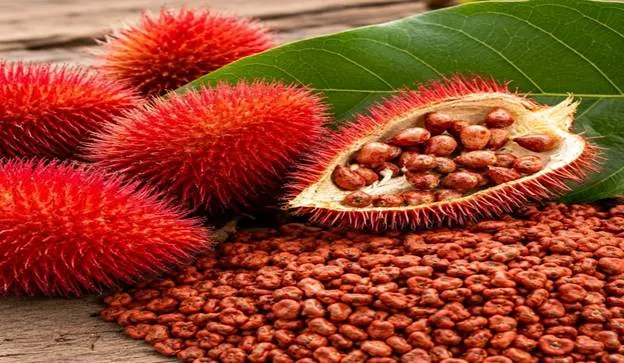
Cheddar is not born orange. Milk is pale, and the glow you see in the block is added on purpose. For centuries, makers have used annatto food color to get that warm sunset tone. It comes from the seeds of a tropical tree, and it still sits behind most orange cheese in the shop today.
Baked goods lean on the same idea. A golden crust or a rich orange cake invites a bite. Getting the shade right takes some care, though. This article covers the key points in plain words, so a cheese maker or a baker can steer clear of common mistakes.
Why Cheddar Gets Its Glow
Orange cheddar began as a trade trick. Old dairies added color so that every wheel looked the same, no matter the season. Grass fed milk is more yellow in summer and paler in winter. Color evened that out.
Today the habit stays because shoppers expect it. A pale block can look odd beside an orange one, even if the taste is identical. Makers add the pigment to the milk before curdling. The color binds to the protein, so it stays in the curd and not in the whey.
Getting Annatto Dosage Right
Annatto is strong. A little goes a long way. Dosing is usually measured per volume of milk, and small changes show up fast. Start low, make a test wheel, and compare it with your target. Write down every number.
Water soluble and oil soluble forms behave differently. Cheese usually needs the water soluble type, since it must mix into milk. Bakers often prefer oil based versions for batters with butter. Check the spec sheet before you order. Wrong form, wrong result, and a wasted batch.
Plant Options Beyond Annatto
Some brands want another path. Paprika and carrot extracts give warm tones too. Paprika leans redder and can add a faint taste. Carrot gives a softer, sunnier shade. Each one fits certain recipes better than others.
Many buyers search for natural orange food color because labels matter more now. Plant based pigments let a brand say what it uses in plain terms. Blend two sources if one looks too red or too flat. A small mix can land on that sunset look.
Color in Baking and Heat
Ovens are tough on pigment. Long, high heat can dull some shades or turn them brown. Annatto handles baking fairly well, while carrot based colors can fade if the bake runs long. Test at your real oven temperature.
Batter chemistry matters too. Baking soda raises pH and can shift orange toward red. Acidic doughs may do the opposite. Mix a small trial batch, bake it, and judge the color after cooling. Fresh from the oven, everything looks warmer than it will an hour later.
Keeping Color Stable on Shelves
Light is the quiet thief. Orange cheese in clear wrap can fade near a bright store lamp. Opaque or printed film helps a lot. For baked goods, a closed box in a cool room works better than an open tray.
Store test samples under different conditions, then check them weekly. Take a photo under the same lamp each time. Memory is a poor judge of shade. If a sample drifts after a month, adjust the dose or try a blend before you scale up.
Working With Reliable Suppliers
Ask for stability data, a certificate of analysis, and clear allergen information. Lot to lot color strength should be close. If it swings wildly, ask why and expect a direct answer.
Order samples from two sources and compare them side by side in your own recipe. Keep a backup supplier, since crop years can change supply. A partner who answers questions fast is worth more than a slightly lower price, especially when a batch goes wrong.
Conclusion
Strong orange shades come from careful dosing, the right pigment form, and steady storage. Annatto stays the classic choice for cheese, while plant blends add flexibility for baked goods. Test in your own recipe and track results.
For more color ideas and sourcing guides, visit foodrgb.com and browse the resources. Start with one product, change one thing, and write down what you see. Small notes today can protect your color from costly surprises tomorrow.
