
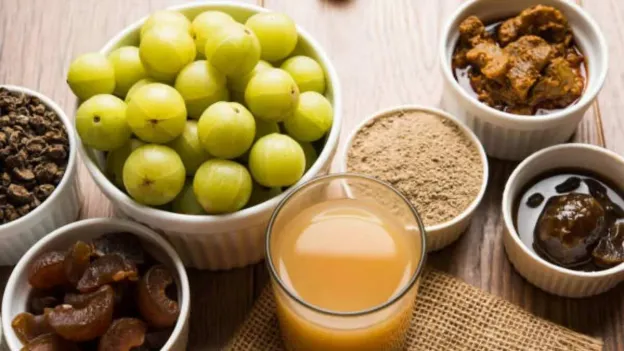
Amla supplements have become part of a wider conversation about how people are approaching everyday wellness with greater intention. Instead of collecting products because they are trending, many consumers are becoming more interested in familiar ingredients, traditional knowledge, and routines that can fit naturally into daily life. This shift is making herbal wellness, including amla supplement benefits feel less like a passing trend and more like a considered personal ritual. The appeal lies not only in the ingredient itself, but also in understanding why it has been valued, how it is traditionally used, and which format makes sense for an individual’s routine.
Moving Beyond the “More Is Better” Approach to Wellness
Modern wellness can easily become overwhelming. Shelves are filled with powders, capsules, tablets, blends, and formulas promising different kinds of support, often making it difficult to distinguish a useful routine from an unnecessarily complicated one. A more thoughtful approach begins with simplicity: identifying familiar ingredients and understanding their traditional role before adding them to everyday habits. This is one reason herbal products continue to attract attention among people who want wellness routines that feel grounded rather than excessive. Instead of constantly changing products, the focus shifts toward consistency, suitability, and making informed choices.
Amla is particularly interesting in this context because it has a long history in Ayurvedic traditions and can be incorporated into wellness routines in several formats. The fruit is commonly associated with its naturally occurring nutrients and antioxidant compounds, making it a familiar ingredient in traditional wellness practices. Today, the ingredient appears in powders, tablets, and other convenient forms, allowing people to choose a format that fits their preferences. The growing interest in amla supplement benefits reflects this broader movement toward understanding individual ingredients rather than treating wellness as a collection of fashionable products.
Why Format Matters as Much as the Ingredient
An ingredient may have a strong traditional reputation, but the way it is incorporated into a routine can determine whether someone actually uses it consistently. Powders can work well for people who enjoy adding ingredients to drinks or food, while tablets can be more convenient for those who prefer a straightforward daily format. Convenience does not replace ingredient knowledge, but it can make a familiar wellness practice easier to maintain. For busy lifestyles, this balance between tradition and practicality is becoming increasingly important when people decide which products deserve a place in their routine.
This is where understanding amla tablets uses becomes relevant. Tablets provide a simple way to include amla as part of an established wellness routine without requiring preparation each time. Rather than viewing tablets as a completely different approach from traditional herbal practices, they can be understood as a modern format for an ingredient that has been used traditionally in different preparations. The important consideration is choosing products thoughtfully, following the recommended usage, and considering individual circumstances rather than assuming that one format is suitable for everyone.
The Growing Interest in Familiar Ayurvedic Ingredients
The renewed interest in Ayurveda is not necessarily about abandoning modern lifestyles. Instead, it reflects an attempt to bring selected traditional ingredients into routines that are already shaped by contemporary schedules, work patterns, and personal preferences. People may be drawn to familiar herbs because they want their wellness choices to feel more connected to recognizable ingredients rather than complicated formulations. This creates space for traditional ingredients to coexist with modern convenience, provided they are approached realistically and used according to appropriate guidance.
Ashwagandha is another example of an Ayurvedic ingredient that has gained visibility in contemporary wellness conversations. Ashwagandha organic powder appeals to people who prefer a less processed format and want to incorporate traditional herbs into drinks or other routines. Its presence alongside ingredients such as amla illustrates how modern herbal wellness is moving toward ingredient awareness rather than simply following product trends. The emphasis is increasingly on knowing what an ingredient is, understanding its traditional context, and deciding whether its form and usage align with an individual’s routine.
Building a Routine Around Consistency, Not Complexity
A sustainable wellness routine does not necessarily need a long list of products. In fact, adding too many supplements at once can make it difficult to understand what actually fits an individual’s needs and habits. A simpler approach can involve selecting a small number of familiar ingredients and incorporating them consistently. For some people, that may mean choosing a convenient tablet format; for others, it may mean using a powder as part of a morning drink or meal. The goal is to create a routine that can realistically be maintained rather than one that looks impressive on a shelf but becomes difficult to follow.
The same principle applies when considering amla tablets uses alongside other herbal products. Amla may be selected for its traditional place in everyday wellness, while another ingredient may serve a different purpose within a broader routine. This does not mean that every herb needs to be combined or taken simultaneously. Instead, thoughtful selection allows individuals to understand each product separately and decide how it fits into their lifestyle. Reading labels, checking recommended serving instructions, and considering professional advice when necessary are all part of making responsible choices.
Making Traditional Wellness Feel More Personal
One of the most interesting changes in the wellness space is the move away from universal routines. People increasingly recognise that schedules, dietary preferences, lifestyle demands, and personal goals differ widely. As a result, the same herbal ingredient can appear in very different routines depending on how an individual prefers to use it. A powder may suit someone who enjoys preparing a morning wellness drink, while tablets may appeal to someone who values convenience. Personalisation therefore does not always require sophisticated technology or complicated formulations; sometimes it simply means choosing the format that works naturally within everyday life.
This perspective also changes how people think about amla supplement benefits. Rather than treating a supplement as a quick solution, consumers can look at it as one component of a broader lifestyle that includes balanced nutrition, adequate rest, movement, and appropriate professional care. Traditional ingredients can complement a wellness routine, but they should not be presented as substitutes for medical treatment or as guaranteed solutions to health concerns. A more responsible approach keeps expectations realistic while still appreciating the cultural and traditional significance of herbal wellness.
Choosing Products With More Awareness
As the herbal wellness market grows, the ability to evaluate products becomes increasingly important. Consumers can look beyond attractive packaging and trending claims by checking ingredients, product formats, sourcing information, certifications where applicable, recommended use, and relevant precautions. This approach makes wellness purchasing less impulsive and more informed. It also encourages people to pay attention to quality and transparency, particularly when a product is intended to become part of a long-term routine.
The idea extends to ashwagandha organic powder and other traditional herbal formats as well. Organic positioning, ingredient sourcing, processing methods, and usage instructions can all influence how a product is evaluated. Consumers do not need to become experts in Ayurveda overnight, but developing the habit of asking basic questions can make their choices more deliberate. The result is a wellness shelf built around understanding rather than accumulation, where every product has a clear reason for being there.
A More Intentional Future for Herbal Wellness
The next phase of herbal wellness may be less about discovering the newest ingredient and more about rediscovering the value of familiar ones. Amla, Ashwagandha, and other Ayurvedic ingredients already have established places within traditional practices, but modern formats are making them easier to explore within contemporary routines. The opportunity lies in combining that accessibility with responsible expectations, informed product selection, and consistency.
For consumers interested in bringing traditional ingredients into modern routines, Pure Ayurbliss offers an Ayurvedic wellness range designed around familiar herbal ingredients and convenient formats. Its selection provides another way to explore products such as amla and Ashwagandha while keeping the focus on ingredient-led wellness. As the conversation around everyday health continues to evolve, the most meaningful shift may be toward choosing fewer products with greater awareness—and building routines that are practical enough to become part of everyday life.
